The demand for Nasolabial Fold Filler continues to rise, reflecting a significant trend in the global aesthetics market. According to a recent report by Grand View Research, the dermal filler industry is expected to reach USD 8.5 billion by 2025. This surge is largely driven by an increasing number of procedures aimed at reversing signs of aging, with nasolabial folds being a primary concern for many.
In 2026, we anticipate innovative techniques and advanced filler materials designed to enhance patient outcomes. Expert opinions suggest a growing preference for hyaluronic acid-based fillers due to their biocompatibility and effectiveness. The use of these fillers has been linked to a 30% increase in patient satisfaction ratings, highlighting their relevance in cosmetic practices.
However, it’s essential to remain cautious. Not all fillers offer the same level of safety or longevity. Patients must be informed about potential side effects and the expertise of their practitioners. Continuous education in this evolving field is critical. As the market develops, buyers should seek reliable information and experienced professionals to navigate these trends effectively.
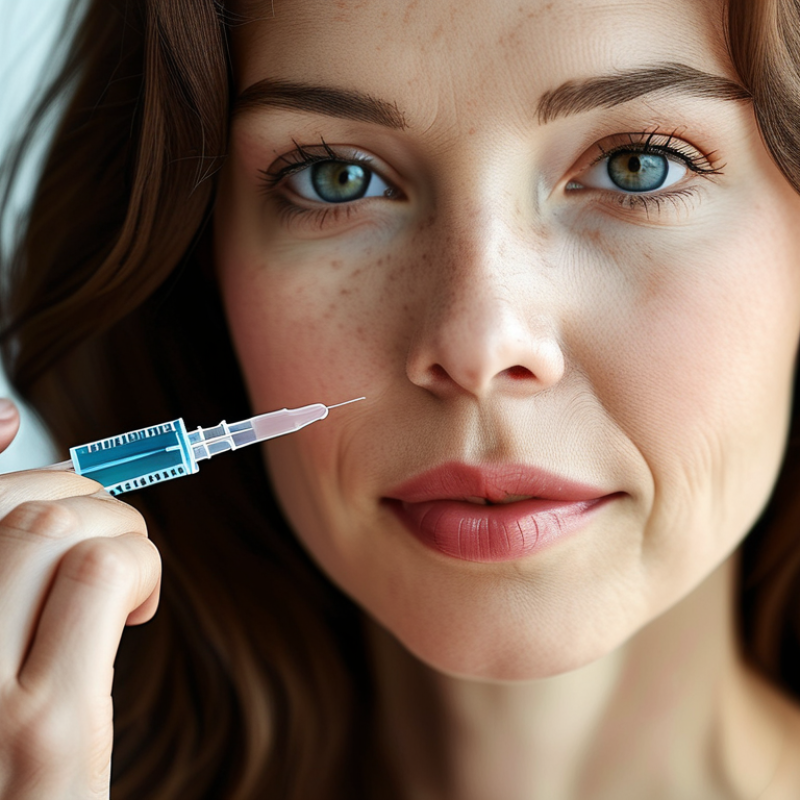
As we approach 2026, the landscape of nasolabial fold fillers is evolving rapidly. Recent reports from the ASAPS indicate that minimally invasive procedures have surged in popularity, accounting for over 60% of all aesthetic treatments. Emerging innovations in this area focus on enhancing the longevity and natural appearance of fillers. Advanced formulations now incorporate biocompatible materials, which improve both safety and efficacy.
The trend indicates a move towards fillers with regenerative properties. Research showcases that fillers infused with antioxidants or growth factors can stimulate collagen production. These innovations address common concerns about filler durability, with some studies suggesting an extended lifespan of up to 18 months.
However, the industry also faces challenges. Despite advancements, practitioners need ongoing education about these new products. Incomplete knowledge can lead to inconsistent results. Moreover, the rising demand creates potential pressure on quality assurance in manufacturing processes. Striking a balance between innovation and safety remains essential for professionals in the field.
| Trend | Innovation | Expected Benefits | Market Adoption Rate | Region |
|---|---|---|---|---|
| Biodegradable Fillers | Enhanced product absorption | Reduced long-term side effects | 40% | North America |
| Polymer-based Fillers | Sustainable sourcing | Environmentally friendly | 35% | Europe |
| Smart Fillers | Real-time feedback technology | Personalized treatments | 25% | Asia-Pacific |
| Combination Treatments | Integrating fillers with other modalities | Improved results and longevity | 50% | Global |
Nasolabial folds, the lines that run from the nose to the corners of the mouth, can be a focal point in facial aesthetics. As we look towards 2026, the formulations for fillers targeting these areas are evolving. Key ingredients in these fillers matter greatly. Hyaluronic acid remains a staple. It provides hydration and volume. Its ability to attract moisture makes it a preferred choice for many.
Beyond hyaluronic acid, new technologies are coming into play. Peptides are gaining attention for their skin-rejuvenating properties. These tiny proteins aim to boost collagen production. This can help improve skin texture over time. Another ingredient to note is calcium hydroxyapatite. This mineral component offers a thicker consistency, ideal for deeper folds.
Natural alternatives are on the rise, too. Some buyers may prefer organic-based fillers derived from plant sources. However, the efficacy and longevity of such options need more research. It's essential to analyze the benefits versus risks. While innovation is exciting, a balanced approach is wise. Always consider personal skin types and consult with professionals before making decisions.
The demand for nasolabial fold fillers is influenced by various global market trends. As of 2023, the global dermal fillers market is projected to reach USD 15 billion by 2026. This significant growth reflects the rising acceptance of facial aesthetic treatments. The increasing aging population is a critical factor driving this demand. Aging leads to visible volume loss in the face, making fillers a popular choice for restoring youthfulness.
Social media’s influence on perceptions of beauty cannot be overstated. Users frequently share their cosmetic experiences, creating demand for trends showcased by influencers. Reports indicate that 72% of consumers feel more inclined to try fillers after seeing them featured on social platforms. This connection between social validation and consumer behavior highlights the need for providers to stay ahead of aesthetic trends.
The availability of various filler materials also impacts market dynamics. Hyaluronic acid fillers remain popular due to their biocompatibility and reversible nature. However, there is a growing interest in longer-lasting options. Still, challenges exist. Some practitioners express concerns about potential complications and dissatisfaction rates among clients. Ensuring patient education and proper technique is essential for maintaining trust in these treatments.
The nasolabial fold filler market is evolving rapidly. Consumer preferences are becoming the driving force behind these changes. According to a recent market report, 48% of users prioritize natural-looking results over dramatic changes. This signifies a shift toward subtle enhancements, mirroring broader beauty trends focused on authenticity.
Among consumers, there is a growing demand for hyaluronic acid-based fillers. Around 70% of users prefer products with this ingredient due to its biocompatibility and lower risk of adverse reactions. However, it's crucial to note the variability in individual responses. Not every consumer experiences the same level of satisfaction, leading to discussions about product formulation and technique.
Moreover, education around filler procedures is vital. A survey indicated that 60% of potential clients are hesitant due to lack of knowledge. Practitioners are now focusing on providing detailed consultations to bridge this gap. Engaging with clients through transparent communication can lead to better outcomes. A well-informed patient is more likely to express their needs clearly, enhancing overall treatment experiences.
The nasolabial fold filler market is undergoing notable changes due to evolving regulations. Regulatory bodies worldwide are tightening their oversight. This shift aims to ensure patient safety and product efficacy. New guidelines affect the ingredients used in fillers, promoting safer alternatives. This creates a ripple effect across manufacturers and consumers alike.
Healthcare professionals must stay updated on these regulations. Some practitioners might lack deep knowledge of emerging rules. This uncertainty can lead to inconsistent practices in procedures. Training and education are essential to navigate this landscape effectively. As the market adapts, professionals need to communicate transparently with clients about these changes.
With the focus on safety, the market may become more competitive. Expect an influx of innovative fillers designed to meet regulatory standards. However, not all products will meet the high expectations set forth. Both buyers and sellers must be diligent in assessing these new offerings. As the landscape shifts, the responsibility lies on everyone to prioritize quality and transparency.
: Around 48% of users want natural-looking results instead of dramatic changes.
About 70% of users favor them for their biocompatibility and lower risks of reactions.
No, individual responses vary. Not everyone feels satisfied after using the same product.
Approximately 60% hesitate due to a lack of knowledge about the procedures.
By offering detailed consultations and engaging in transparent communication.
They enhance patient safety and product efficacy in the filler market.
Some might not fully understand new regulations, leading to inconsistent practices.
There will be more innovative fillers, but not all will meet consumer expectations.
Be diligent in assessing new products for quality and transparency.
Continuous education to navigate emerging regulations effectively.
The article on "2026 Top Nasolabial Fold Filler Trends for Global Buyers" delves into the innovative advancements expected in nasolabial fold fillers over the coming years. It highlights the emerging technologies and key ingredients that promise to enhance the effectiveness and safety of these fillers. Additionally, it explores global market trends and consumer preferences that are increasingly shaping the demand for nasolabial fold fillers, indicating a shift towards more personalized and natural-looking results.
Furthermore, the article addresses the regulatory developments impacting the nasolabial fold filler market on a global scale, emphasizing the importance of compliance and safety in this evolving landscape. As the market continues to grow, understanding these trends will be crucial for buyers seeking to navigate the future of nasolabial fold filler options effectively.
