
The global Lip Filler market is expanding, but growth does not guarantee dependable supply. Grand View Research estimated the global dermal fillers market at approximately USD 6.5 billion in 2023. Its report also projects strong growth through 2030, driven by hyaluronic acid products and minimally invasive treatments. The ISAPS Global Survey 2023 recorded more than one million hyaluronic acid procedures worldwide. These figures show demand clearly. They do not prove that every supplier deserves buyer confidence.
For global buyers, supplier evaluation must go beyond price and product appearance. Reliable partners should provide batch numbers, certificates of analysis, sterility records, storage instructions, and transparent manufacturer details. Buyers should also check whether products are legally authorized in their target markets. The United States FDA classifies dermal fillers as medical devices and stresses treatment by qualified, licensed professionals. Regulatory requirements differ across countries. That difference can complicate procurement.
Dr. Arthur Swift, an internationally recognized aesthetic physician and filler expert, has said, “The goal is not to make the lips bigger, but to make them better.” This principle matters when comparing suppliers. Product design, injection behavior, tissue compatibility, and clinical documentation all influence outcomes. ISO 13485 certification can support quality assessment, but it is not a complete guarantee. That is an uncomfortable point. Even experienced buyers can overlook weak distribution controls or unclear labeling. This guide examines leading Lip Filler suppliers through product quality, manufacturing evidence, regulatory readiness, logistics, and professional support. The strongest supplier may not offer the lowest quotation. It should offer evidence that survives careful questioning.
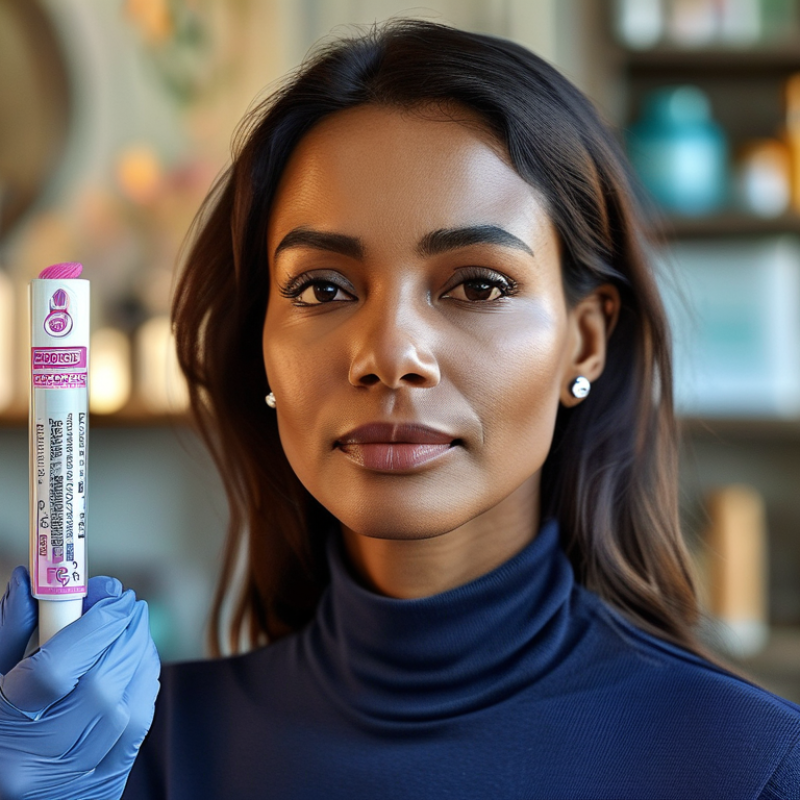
For global buyers, hyaluronic acid (HA) remains the most widely used lip filler. It attracts water, feels soft, and can create subtle volume or sharper borders. The ISAPS Global Survey 2023 recorded more than 5.5 million HA procedures worldwide, showing strong clinical demand. HA is also temporary and can usually be adjusted by qualified professionals when necessary. However, results vary with product concentration, injection depth, and patient anatomy.
Calcium hydroxylapatite offers firmer support, but it is less commonly selected for direct lip enhancement. It may suit nearby contouring applications under expert supervision. Fat grafting uses the patient’s own tissue and can provide longer-lasting volume, although survival rates are unpredictable. Permanent fillers require particular caution because correction may be difficult. Regulations differ across markets, so suppliers should provide complete documentation, including sterility records, traceability, storage conditions, and approved indications. A sales brochure is not enough evidence.
Tips: Match the filler to the intended use, not only its price. Ask for independent quality certificates and batch-level records. Confirm cold-chain requirements before shipment. Clinical training matters. I would also review complication data, because attractive before-and-after images can hide uneven swelling, migration, or vascular risks. Supplier comparisons often miss this practical detail. Buyers should verify local registration and professional-use restrictions before placing an order.
Global buyers should evaluate suppliers through documented quality, not polished catalogs. The ISAPS 2023 Global Survey reported approximately 5.5 million hyaluronic-acid filler procedures worldwide. That volume increases the need for consistent manufacturing and traceable distribution. Suppliers should provide current ISO 13485 certification, batch records, sterility evidence, and validated storage conditions. ISO 10993 biocompatibility testing also matters. Certificates alone are not enough.
A reliable supplier can explain the product’s composition, intended use, shelf life, and temperature limits. Ask for lot-specific certificates of analysis, packaging photographs, and recall procedures. The supplier should identify manufacturing sites clearly. It should also maintain complaint-handling and post-market surveillance systems. The EU Medical Device Regulation emphasizes clinical evaluation, technical documentation, and vigilance. Requirements differ across markets, however. A document accepted in one country may fail another review. This is where buyers often underestimate risk.
Tips: Request samples from separate lots. Check seals, labels, and expiry dates. Verify certificates with the issuing body. Review independent laboratory reports when available. Compare delivery records, not promises. Keep written communication. A low price still attracts attention, but it may hide weak cold-chain control. I would also question unusually perfect claims. Real suppliers usually discuss limitations, rejected batches, and corrective actions openly.
Global buyers should compare lip fillers through documented evidence, not glossy packaging.
The 2023 ISAPS Global Survey reported more than five million hyaluronic acid procedures worldwide. Demand is substantial. However, volume does not prove safety. Request the exact formulation, hyaluronic acid concentration, cross-linking method, sterility records, and batch-specific certificates of analysis. A clear gel should arrive in sealed, traceable packaging, with an intact lot number and expiry date.
Safety review must go further. Check whether the product has authorization in the destination market, rather than relying on a supplier’s sales claims. Confirm manufacturing under ISO 13485 quality systems and review relevant ISO 10993 biocompatibility testing. Ask for sterility, endotoxin, and particulate results from independent laboratories. The FDA’s MAUDE database shows why vigilance matters: adverse-event reporting is useful, but passive reporting cannot measure true complication rates. That limitation is easy to overlook.
I would also compare clinical evidence, not only price per syringe. Look for peer-reviewed studies describing swelling, vascular complications, reversibility, and follow-up periods. Hyaluronidase response data can be especially relevant for hyaluronic acid products. Inspect cold-chain records, too. A warm delivery van and a missing temperature log are warning signs. Certificates can be genuine yet incomplete. I have seen procurement teams accept beautifully formatted documents without verifying the issuing laboratory. That mistake deserves reflection. Supplier audits, sample testing, and a documented complaint process create stronger protection for clinics and patients.
International buyers should treat lip filler sourcing as a regulated medical procurement process, not a simple online purchase. Choose suppliers that provide verifiable manufacturing licenses, product registrations, batch numbers, expiry dates, and certificates of analysis. Ask whether the facility follows recognized quality systems and whether documents can be checked with the relevant authority. A polished website proves very little.
Compliance varies by destination. Confirm import permits, labeling rules, language requirements, customs procedures, and professional-use restrictions before placing an order. Product packaging should match the approved documentation exactly. Keep written records of invoices, batch details, storage instructions, and supplier communication. These records support traceability if a shipment is delayed or a quality question appears. Requirements can change, so local regulatory advice remains valuable.
Tips: Request a sample document pack before payment. Confirm temperature limits in writing. Use validated cold-chain shipping with tracking and delivery alerts. Check whether customs brokers understand medical products. Never accept unexplained substitutions or damaged packaging. Also, plan for delays; a short transit promise is not always realistic. I have found that buyers sometimes focus too heavily on price and overlook return procedures. That can become an expensive mistake. Avoid suppliers who pressure you to bypass declarations or use vague product descriptions. Only qualified, authorized healthcare professionals should handle these products.
| Market or Region | Typical Product Classification | Core Compliance Requirement | Documents Global Buyers Should Request | Import and Customs Considerations | Shipping and Storage Controls | Buyer Verification Checklist |
|---|---|---|---|---|---|---|
| United States | Dermal fillers are regulated as medical devices; injectable use is restricted to authorized indications and trained professionals. | Confirm applicable market authorization, establishment registration, device listing, labeling, and importer requirements with the U.S. Food and Drug Administration. | Marketing authorization or clearance evidence, product labeling, instructions for use, certificate of analysis, batch records, sterility evidence, and quality-management certificates. | Use an importer of record familiar with FDA entry procedures. Harmonized tariff classification, country of origin, commercial invoice, packing list, and customs entry data must be accurate. | Follow the manufacturer’s validated temperature range. Protect sterile, single-use syringes from freezing, excessive heat, sunlight, shock, and tampering. | Verify authorized distribution status, lot traceability, tamper-evident packaging, expiry date, U.S.-compliant labeling, and a documented adverse-event process. |
| European Union and EEA | Hyaluronic-acid injectable fillers generally fall under the EU Medical Device Regulation when their principal intended action is physical rather than pharmacological. | Products must meet applicable Regulation (EU) 2017/745 requirements, including conformity assessment, clinical evaluation, post-market surveillance, and appropriate CE marking. | EU Declaration of Conformity, CE certificate where applicable, technical-documentation summary, clinical evaluation information, UDI details, labeling, and instructions for use. | Non-EU manufacturers generally need an EU authorized representative. Confirm importer obligations, customs classification, VAT treatment, and the destination country’s language requirements. | Use validated packaging and transport conditions stated in the instructions for use. Keep shipping records linked to lot numbers and maintain sterility throughout transit. | Check CE information, notified-body details when applicable, UDI or traceability data, authorized representative details, multilingual labeling, and product liability coverage. |
| United Kingdom | Injectable fillers are regulated as medical devices in Great Britain; Northern Ireland follows relevant EU medical-device rules under the applicable framework. | Confirm registration with the Medicines and Healthcare products Regulatory Agency, applicable UK conformity requirements, and the current transitional rules for CE-marked devices. | UK Declaration of Conformity or applicable CE documentation, registration evidence, authorized representative details, labeling, instructions for use, and quality certificates. | A non-UK manufacturer generally needs a UK responsible person for Great Britain. Prepare separate customs and VAT information for shipments entering the UK. | Use tracked, secure transport with documented temperature controls where specified. Do not ship products with compromised seals or inadequate remaining shelf life. | Confirm destination-specific marking, registration, responsible-person details, English labeling, batch traceability, and recall procedures. |
| Canada | Injectable dermal fillers are generally regulated as medical devices and may require a Canadian medical-device licence before commercial sale. | Confirm the applicable device class, medical-device licence, establishment licence, labeling rules, and post-market reporting obligations with Health Canada. | Medical-device licence details, quality-system evidence, product specifications, sterility validation, certificate of analysis, bilingual labeling, and importer information. | The importer must verify tariff classification, customs value, country of origin, applicable taxes, and whether the product is licensed for the intended Canadian use. | Maintain packaging integrity and the manufacturer’s specified storage conditions. Use shipment tracking and retain temperature or handling records when required. | Check English and French labeling, licence status, expiry date, lot number, importer records, and a process for complaints and recalls. |
| Australia | Injectable dermal fillers are generally medical devices and must be included in the Australian Register of Therapeutic Goods before lawful supply. | Confirm inclusion in the Australian Register of Therapeutic Goods, sponsor responsibilities, conformity evidence, labeling, and post-market obligations with the Therapeutic Goods Administration. | ARTG entry details, manufacturer evidence, conformity assessment documents, product information, certificate of analysis, sterility records, and sponsor information. | An Australian sponsor is normally required for overseas manufacturers. Confirm customs classification, import declarations, and whether additional state or territory rules apply to the buyer. | Plan for long-distance transit, temperature exposure, and security controls. Ship only in original packaging with sufficient shelf life and intact sterile barriers. | Verify ARTG status, sponsor details, Australian labeling, batch documentation, recall contact, and storage instructions before placing an order. |
| Middle East and Gulf Markets | Classification and registration requirements vary by country; injectable fillers are commonly handled as medical devices or regulated healthcare products. | Confirm the requirements of the specific national health authority, including local registration, authorized-agent appointment, conformity evidence, and professional-use restrictions. | Free-sale or market-authorization evidence where accepted, conformity certificates, product dossier, certificate of analysis, sterility documents, Arabic or bilingual labeling, and local-agent details. | Import permits, product registration numbers, legalized documents, customs classification, and local importer authorization may be required before clearance. | Use heat-resistant, validated shipping solutions where needed. Avoid uncontrolled storage in airport or customs environments and document temperature excursions. | Confirm country-specific registration, Arabic labeling requirements, local authorized importer, remaining shelf life, and protection against counterfeit or diverted stock. |
| Latin America | Regulatory treatment differs across countries and may include medical-device registration, sanitary authorization, or controlled professional-use requirements. | Obtain confirmation from the destination-country health authority regarding registration, local representation, Spanish or Portuguese labeling, and permitted clinical use. | Certificate of free sale where accepted, conformity documentation, product dossier, certificate of analysis, sterility evidence, translated labeling, and local importer authorization. | Check import licences, document legalization or apostille requirements, tariff classification, customs valuation, and taxes before dispatch. | Choose tracked transport with tamper-evident packaging and clear handling instructions. Confirm that local warehouses meet the stated storage conditions. | Verify local registration, translated labels, importer credentials, batch and expiry data, authenticity controls, and a documented returns process. |
| Cross-Border Ordering Controls | Product classification, intended use, route of administration, and destination country determine the applicable legal pathway. | Order only through an authorized medical-device supply chain and confirm that the product is legally permitted in the destination market. | Request current product specifications, lot-specific certificate of analysis, sterility and biocompatibility evidence, quality certificate, insurance, and recall contact. | Define the importer of record, Incoterm, customs broker, tariff code, taxes, permits, rejected-shipment responsibility, and documentation ownership in the purchase contract. | Use validated packaging, shipment tracking, tamper evidence, documented temperature limits, and a procedure for delays, damage, excursions, and quarantine on arrival. | Reject products with altered labels, missing lot numbers, broken seals, unclear origin, inadequate remaining shelf life, or pricing inconsistent with legitimate distribution. |
Important: Regulatory classification, registration, labeling, importation, and storage requirements vary by product formulation and destination country. Buyers should verify current requirements directly with the relevant national health authority and use appropriately licensed medical professionals.
Choosing a reliable lip filler supplier requires more than comparing prices. Experienced buyers examine regulatory authorization, product traceability, and manufacturing controls. Ask for current certificates from the relevant authority in each destination market. Confirm that the product matches its approved indication and packaging details. Request batch numbers, expiry dates, sterility records, and certificates of analysis. Clear documentation matters.
Inspect the supplier’s quality system, not only its sales presentation. A dependable partner should explain storage temperatures, shipment monitoring, and procedures for damaged deliveries. Cold-chain records should be available for every shipment. Communication also reveals expertise. Can the supplier answer technical questions clearly? Can it provide professional training materials without making exaggerated promises? Avoid suppliers that pressure buyers to order quickly.
Check post-market support before signing a contract. Reliable suppliers maintain adverse-event reporting channels and respond with documented investigation steps. They should also explain recall procedures and replacement policies. Independent verification is valuable. Contact existing professional customers, review inspection records, and request a small compliant order when permitted. A low price can still seem attractive, and judgment sometimes slips there. No checklist is perfect. Reassess supplier performance after each delivery, especially when labels, temperature records, or response times fall short. A careful purchasing team keeps those weaknesses visible.
Request current quality certificates, manufacturing licenses, batch records, sterility evidence, and certificates of analysis. Certificates are clues. Verify them independently.
They connect each package to a specific production lot. Check labels, seals, expiry dates, and storage instructions before accepting delivery. This supports traceability.
Review composition, intended use, shelf life, temperature limits, and biocompatibility evidence. Independent laboratory reports can add useful confirmation. They are not always available.
Ask for manufacturing-site details, packaging photographs, recall procedures, and complaint-handling records. A polished catalog proves very little. Real suppliers should discuss limitations and corrective actions openly.
Yes. Samples from separate lots may reveal differences in seals, labels, appearance, or packaging quality. Document your inspection with photographs. Do not rely on one sample.
Confirm import permits, labeling languages, registration rules, customs procedures, and professional-use restrictions. Requirements differ between destinations. Local regulatory advice remains valuable.
Use validated cold-chain shipping with tracking and delivery alerts. Confirm temperature limits in writing before payment. Plan for delays. Short transit promises can be unrealistic.
Be cautious about unexplained substitutions, damaged packaging, vague descriptions, or pressure to avoid proper declarations. Unusually perfect claims also deserve questions. Price can mislead.
Only qualified, authorized healthcare professionals should handle and use them. Buyers should also keep invoices, batch details, storage records, and supplier messages. A checklist can still miss something.
Choosing the right Lip Filler supplier is essential for clinics, distributors, and international buyers seeking consistent quality and patient safety. This guide explains the main types of lip fillers and their typical applications, while outlining key factors for evaluating suppliers, including manufacturing standards, product traceability, stability, packaging, and professional support. It also highlights how to compare product quality, safety documentation, regulatory certifications, and quality-control procedures before placing an order.
Global purchasing requires careful attention to import regulations, labeling requirements, storage conditions, customs documentation, and temperature-controlled shipping where necessary. Reliable suppliers should provide clear technical information, authentic certificates, batch records, and responsive communication throughout the ordering process. By reviewing supplier experience, compliance capabilities, minimum order terms, delivery reliability, and after-sales service, buyers can make informed decisions and establish a dependable supply chain that supports responsible, compliant, and high-quality aesthetic care.
